Islamic History of the Alcázar of Seville (913–1248)
Updated September 19, 2026
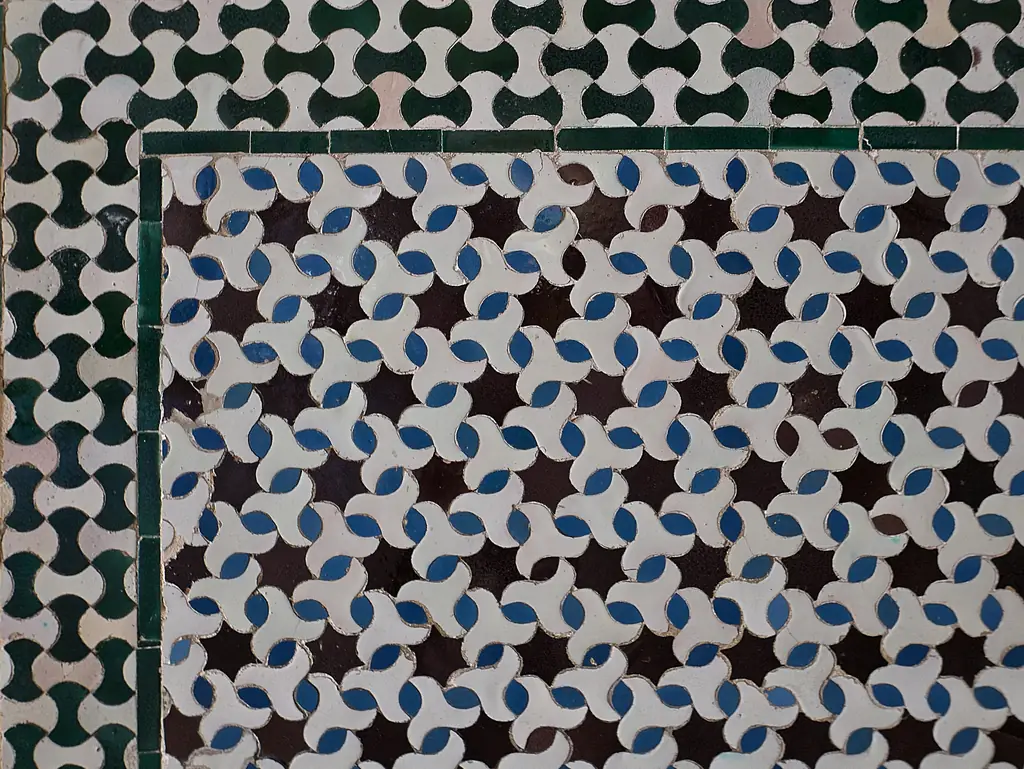
The Real Alcázar began as an Islamic palace. For more than three centuries, from 913 to 1248, it was built, enlarged and rebuilt by the rulers of al-Andalus, and some of what they left still stands inside the palace you visit today. Much of the famous decoration you see was made later, for Christian kings, but the site, its walls, its garden courtyards and several of its spaces go back to these Islamic centuries.
This guide separates what is documented from what is often repeated, and tells you where to see each period on your visit.
Al-Andalus in brief
Al-Andalus is the name for the parts of the Iberian Peninsula under Muslim rule, from the early 8th century until the fall of Granada in 1492. Seville (Ishbiliya in Arabic) was one of its great cities. Its fortunes followed the political history of al-Andalus: the Umayyad caliphate of Córdoba, then independent "taifa" kingdoms, then the North African dynasties of the Almoravids and the Almohads.
913: the Umayyad government house
The Alcázar's official history begins in 913, when the Umayyad ruler Abd al-Rahman III ordered a Dar al-Imara (government house) built on the south side of the city. It was a fortified administrative seat rather than a luxurious palace: walls, towers, and space for officials and troops. Stretches of the Alcázar's walls are thought to follow this first enclosure.
The 11th century: the Abbadids and al-Mubarak
When the caliphate of Córdoba broke apart in the early 11th century, Seville became the capital of the Abbadid taifa kingdom. Its most famous ruler, al-Mu'tamid, was also a celebrated poet, and his court made the Alcázar a centre of literary life.
The Abbadids enlarged the complex to the south and east. Their new palace was called al-Mubarak, "the Blessed". Archaeologists have found its remains under the present-day Patio de la Montería, the courtyard in front of Pedro I's palace, so you stand over it when you look at the façade.
The 12th century: the Almohad capital
The Almohads, a dynasty from North Africa, made Seville their capital in al-Andalus in the mid-12th century. In 1163 the caliph Abu Ya'qub Yusuf made the Alcázar his main residence in the region, and from 1169 a major expansion added new enclosures. Nearly all earlier buildings were demolished and replaced by a group of some twelve palaces.
The same years transformed the whole city: the Almohads built Seville's great mosque, whose minaret survives as the Giralda, along with a shipyard and new markets.
What you can still see from the Almohads
- The Patio del Yeso (Courtyard of Plaster): built at the end of the 12th century, with columns supporting arches covered in sebka, a lattice of interlocking lozenges carved in plaster. It is the best place in the Alcázar to see Almohad decoration as the Almohads made it.
- The Patio del Crucero: originally an Islamic garden courtyard divided into quadrants by two raised, intersecting paths, with planting beds sunk far below. Its lower level was later vaulted over by the Gothic builders; see the Baths of María de Padilla.
- Walls and gates of the enclosure, including stretches along the gardens.
1248: the Christian conquest
Ferdinand III of Castile took Seville in 1248. The Alcázar passed to the Christian kings, who kept living in it, remodelled it and, in the 1360s, built a new palace in the Islamic style: the Palace of Pedro I. That continuity is the reason the Alcázar looks the way it does.
Islamic or Mudéjar? Reading what you see
Visitors often describe the whole Alcázar as "Moorish". It is more precise to separate two things:
| Islamic (913–1248) | Mudéjar (after 1248) | |
|---|---|---|
| Built for | Muslim rulers of al-Andalus | Christian kings of Castile |
| Examples | Patio del Yeso, the Patio del Crucero garden, outer walls | Palace of Pedro I, Hall of the Ambassadors, Patio de las Doncellas |
| Style | Almohad: restrained, geometric sebka | Rich plaster, tiles and inscriptions in the Nasrid manner |
The Mudéjar palace is the continuation of the Islamic tradition under Christian rule. More in Mudéjar architecture.
Where to see it on your visit
- Patio de la Montería: above the remains of the Abbadid al-Mubarak.
- Patio del Yeso: Almohad arches and sebka.
- Patio del Crucero and the vaults below: the Almohad garden layout under Gothic vaults.
- The garden walls: the old enclosure, rebuilt as the Galería del Grutesco in the 17th century.
Not every space is always open, as restoration work moves around the palace; ask at the entrance. A guide who knows the archaeology makes these spaces come alive: the guided tour with priority access (from €37.40, free cancellation) covers the palace's periods.
Frequently asked questions
When was the Alcázar of Seville founded?
In 913, as a government house ordered by the Umayyad ruler Abd al-Rahman III.
Is the Alcázar Moorish?
Its origins are Islamic, and parts survive from the Almohad period. Its most famous rooms were built later for Christian kings in the Mudéjar style.
What was al-Mubarak?
The 11th-century palace of the Abbadid kings of Seville, whose remains lie under the Patio de la Montería.
What is the oldest part I can see?
The Almohad Patio del Yeso, from the end of the 12th century, and stretches of the older walls.
Did the Almohads build the Giralda?
Yes, as the minaret of their great mosque. It is now the bell tower of Seville Cathedral.
When did the Islamic period of the Alcázar end?
With the Castilian conquest of Seville in 1248.
Four ways in with a guide
Entry included in every tour
- Best seller on Viator
Alcazar and Cathedral of Seville Tour with Skip the Line Tickets
★ 4.6 · 5,396 reviews · 3 hours 30 minutes
✓ Free cancellation
See today’s price
Check availability → - Most flexible
Royal Alcázar of Seville Guided Tour with Priority Access
★ 4.9 · 344 reviews · 1 hour
✓ Free cancellation · Reserve now, pay later
from€37.40
Check availability → - Before opening time
Alcazar of Seville: Exclusive Early Access Tour
1 hour 30 minutes
✓ Free cancellation
See today’s price
Check availability → Skip the Line Seville Alcázar, Cathedral & Giralda Guided Tour
★ 4.8 · 1,103 reviews · 2 hours 30 minutes
Non-refundable once booked
from€56.40
Check availability →
Tour prices, ratings and conditions as shown on Viator when last checked; they can change. Affiliate links.