The gardens of the Real Alcázar are as much a reason to visit as the palaces. They are included in the general ticket (€15.50), cover a large part of the site, and are best seen early in the morning or late in the afternoon, when the light is soft and the heat is low.
What not to miss
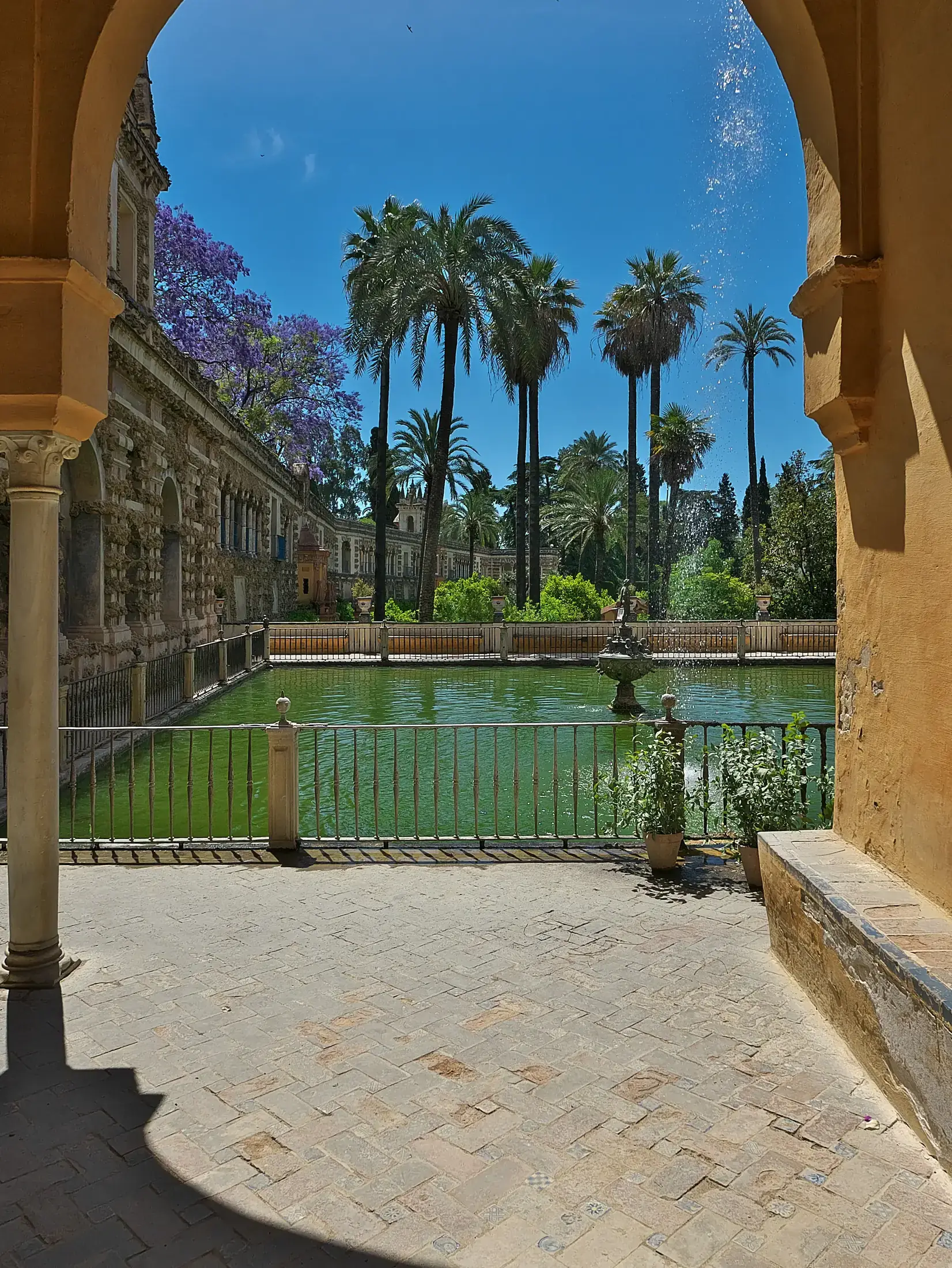
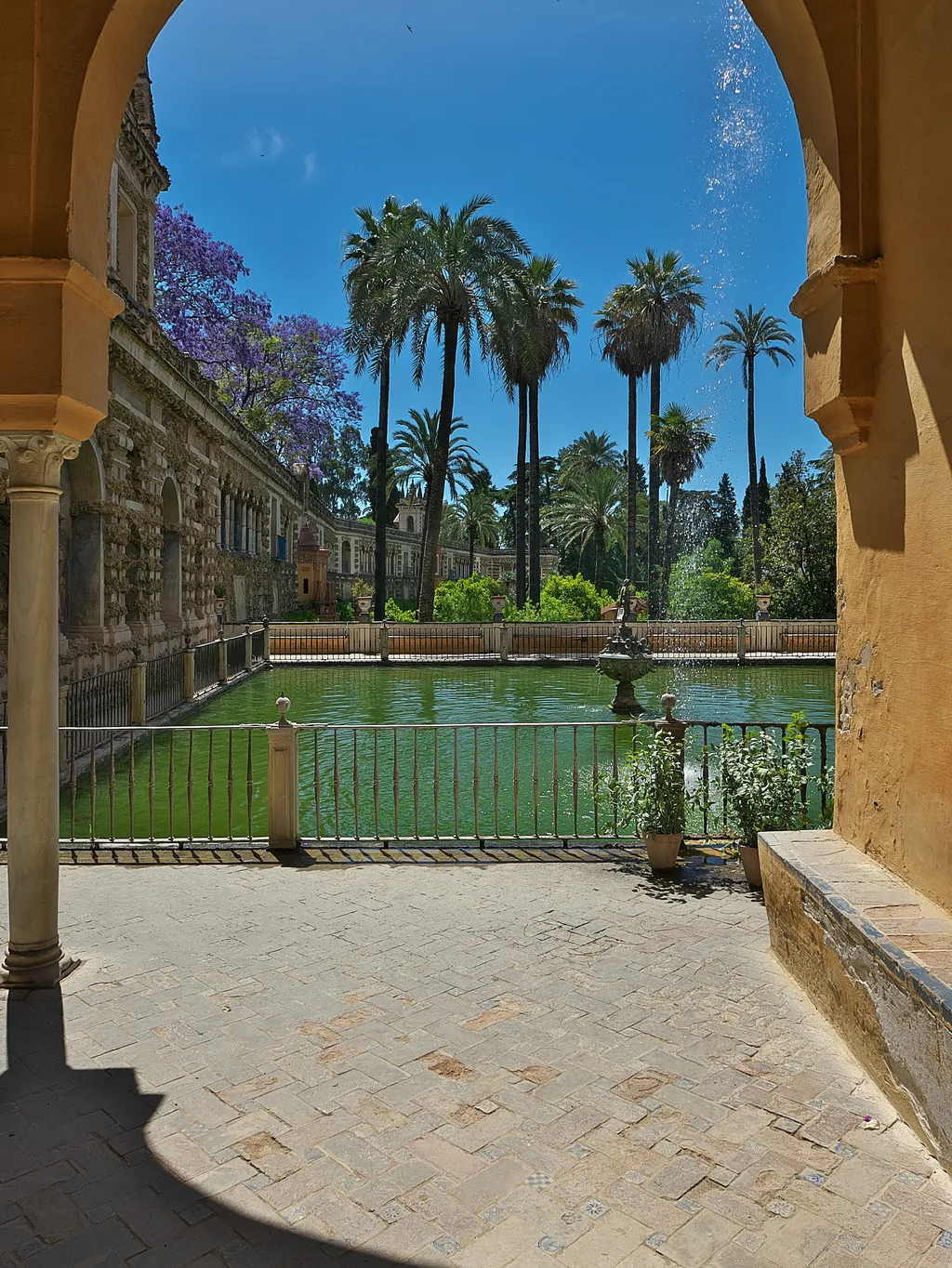
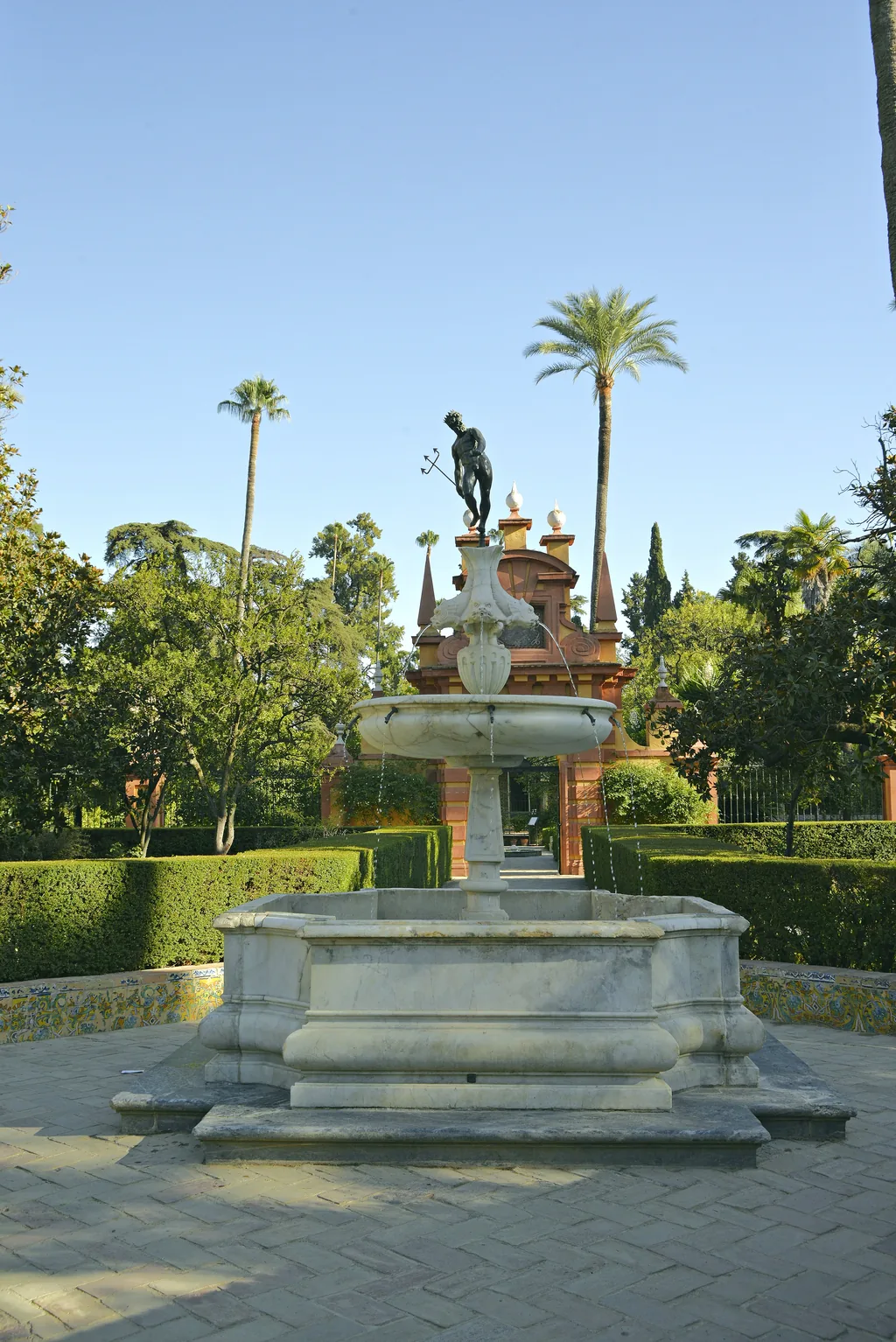
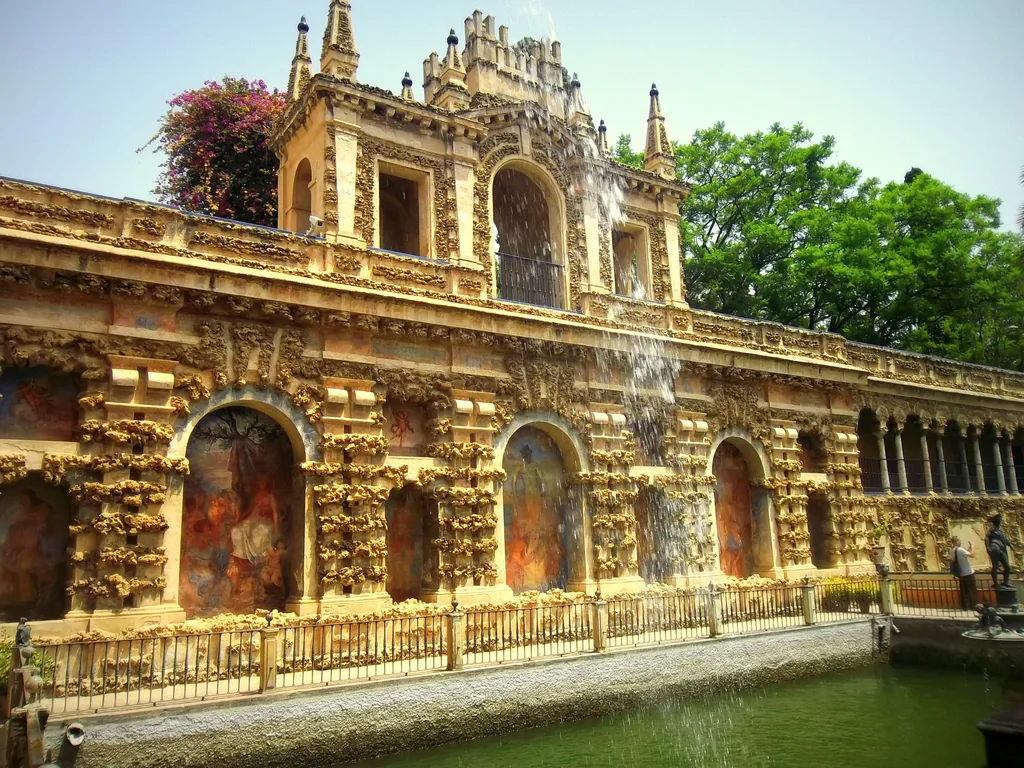
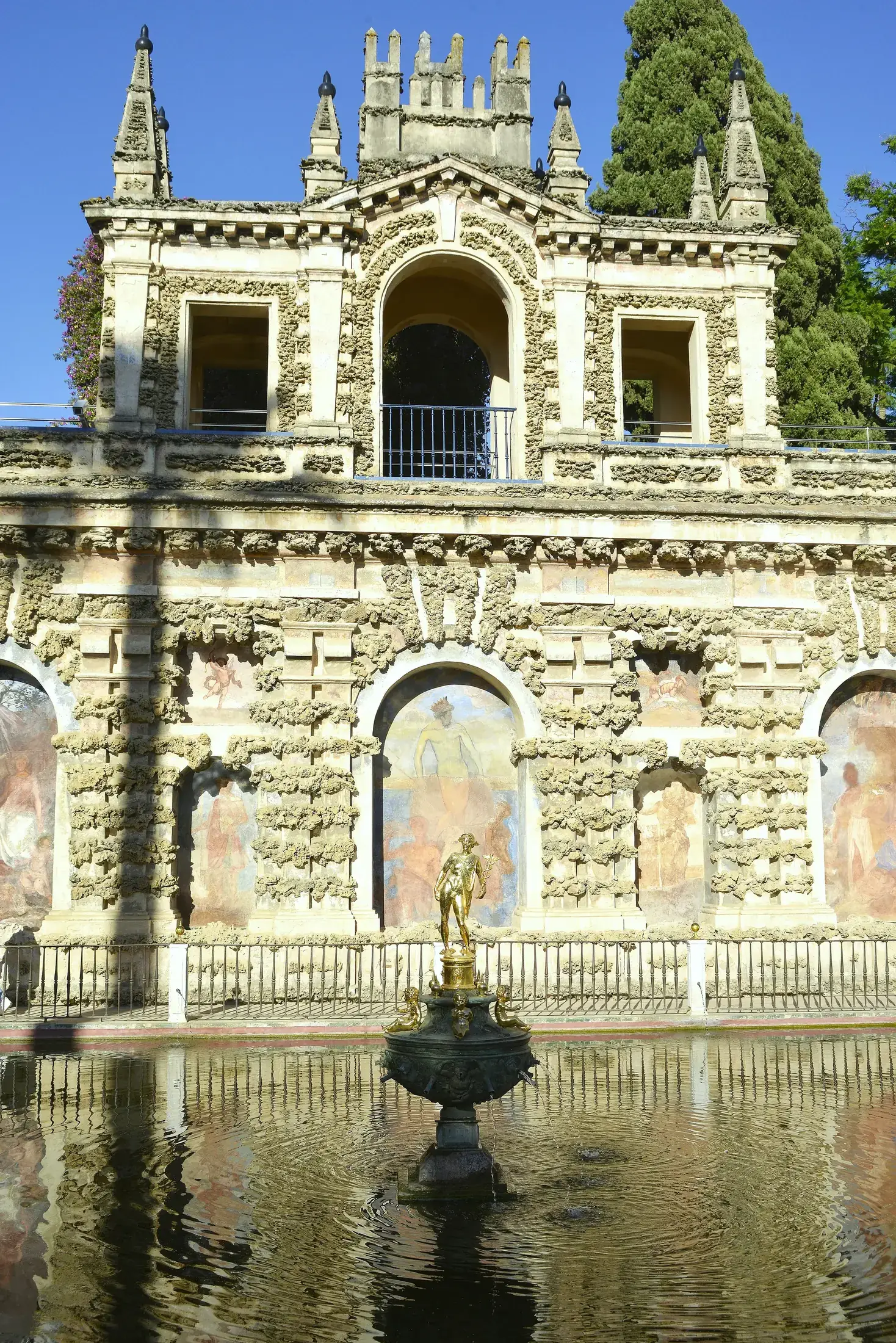
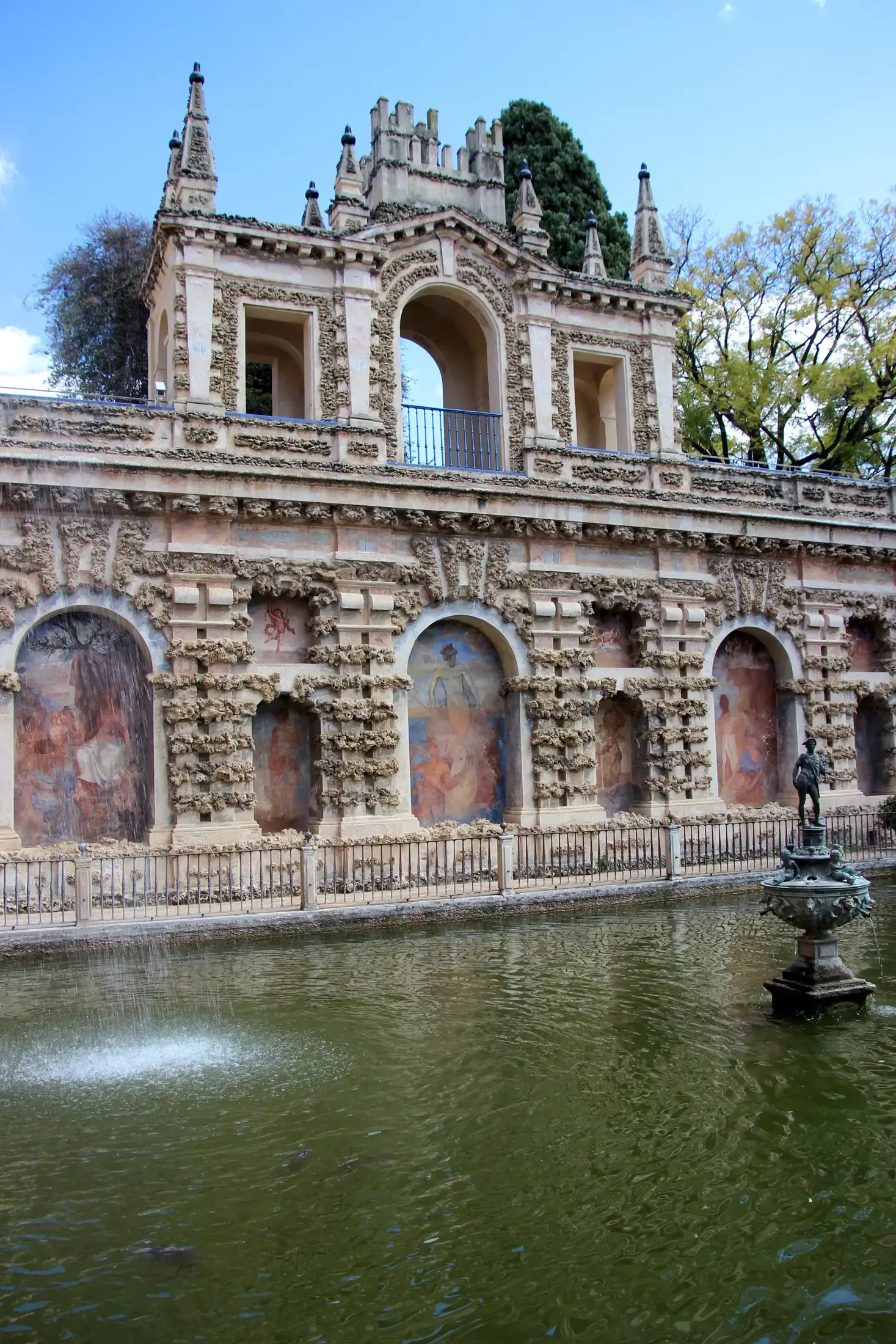
The Mercury Pool (Estanque de Mercurio). A large raised pool with a bronze Mercury at its centre, just below the palace. The Alcázar's restoration page announces that the pool "recovers its splendour", with its central sculpture and surroundings restored.
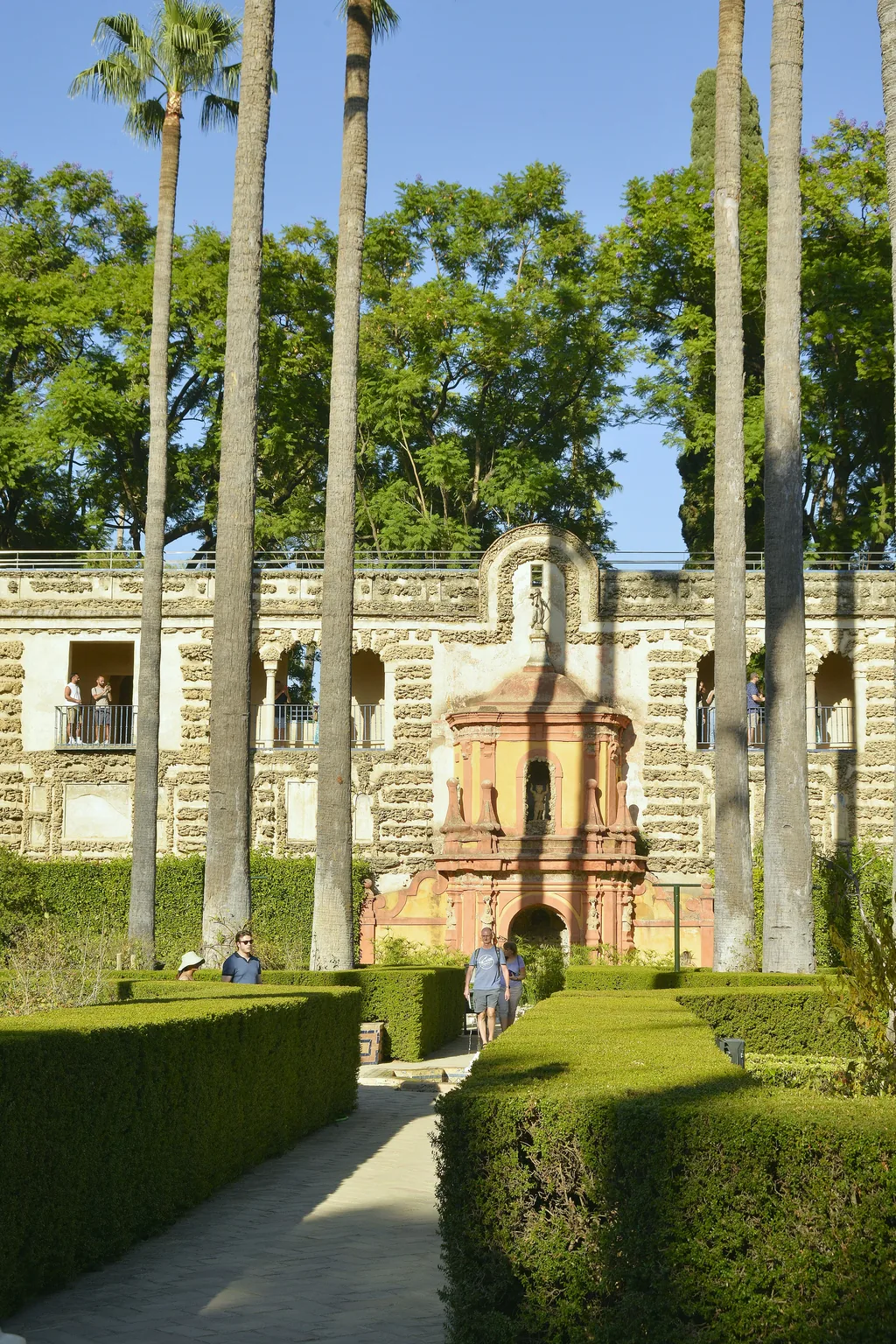
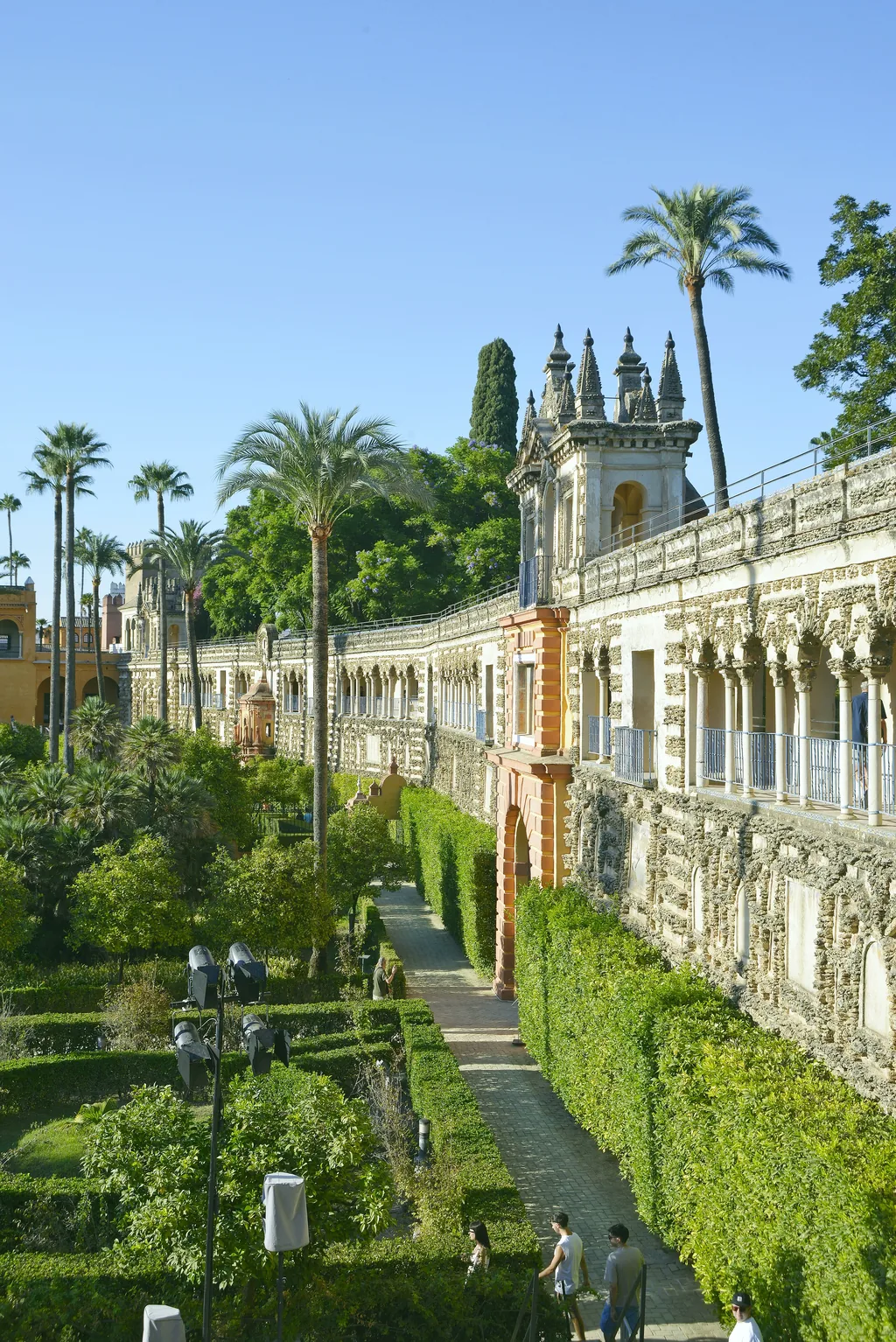
The Grotesque Gallery (Galería del Grutesco). A long rustic gallery along an old wall, with views over the gardens from above.
The Baths of Doña María de Padilla. A vaulted underground pool below the Patio del Crucero, and one of the most photographed places in the Alcázar.
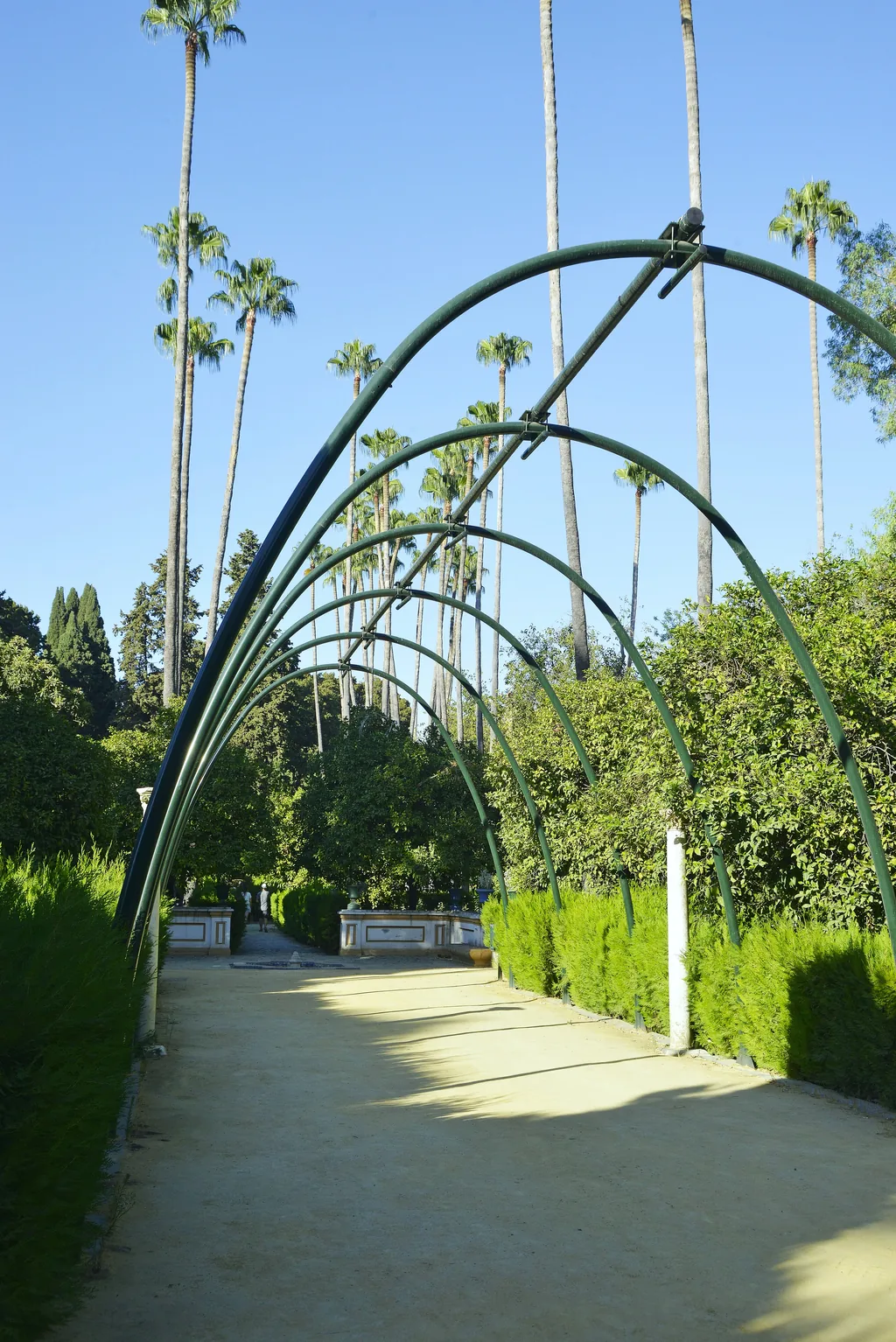
Orange trees and palms everywhere. Keep an eye out for peacocks, which visitors often spot on the paths.
How to see them
Visit the palaces first, while the gardens are still cool and quiet.
Allow at least an hour outside. Most visitors underestimate it.
Summer: bring water and a hat; there is shade, but not everywhere.
Newly reopened: the passage to the Prince's Garden
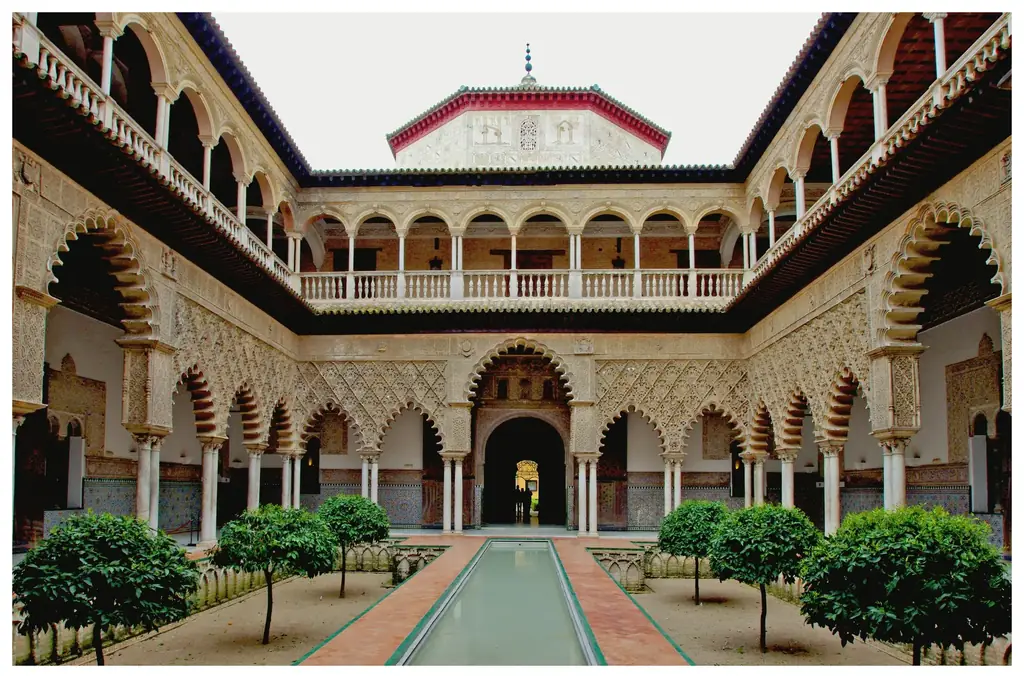
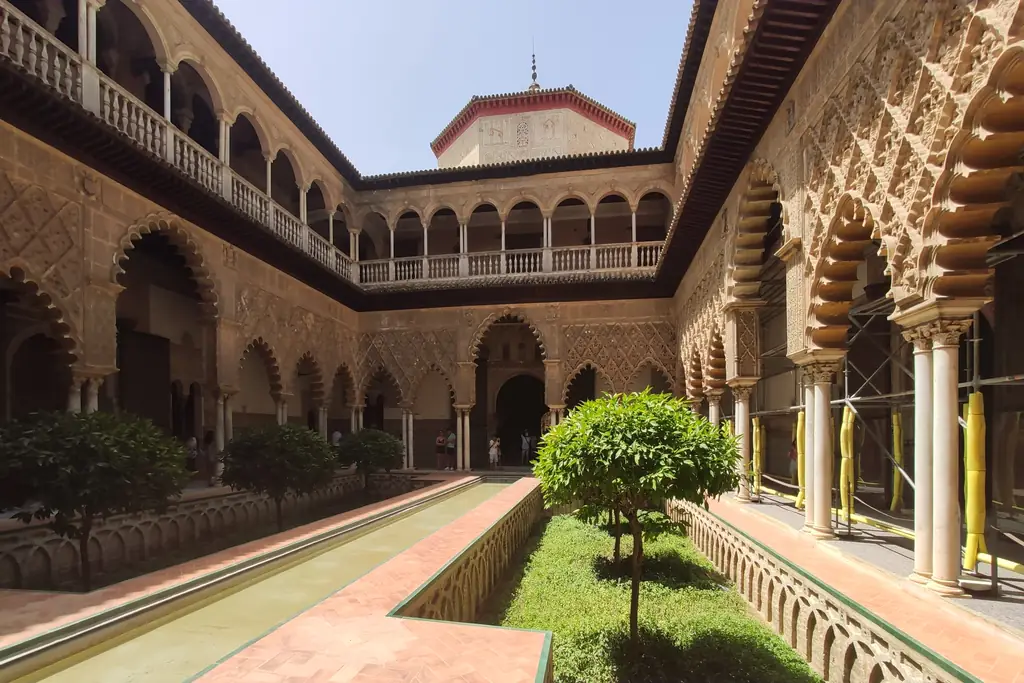
The same restoration page reports that a passage linking the Patio de las Muñecas, in Pedro I's palace, with the Jardín del Príncipe has been restored, with its tilework, plasterwork and floors, and reopened to the public after decades out of use. It is a new way between the palace and the gardens; look for it near the Patio de las Muñecas.
The gardens have names
What looks like one park is a series of gardens made in different centuries, and the signs use their names:
Jardín de la Danza, the Dance Garden, by the palace.
Jardín de Troya, Troy's Garden, and the Jardín de la Galera.
Jardín de las Flores and the Jardín del Príncipe, the Prince's Garden, now reached again through the restored passage from the Patio de las Muñecas.
Jardín de las Damas, the Ladies' Garden, the big formal one below the palace.
Jardín Inglés, the English Garden, and the Jardín de los Poetas, the Poets' Garden, laid out in the 20th century.
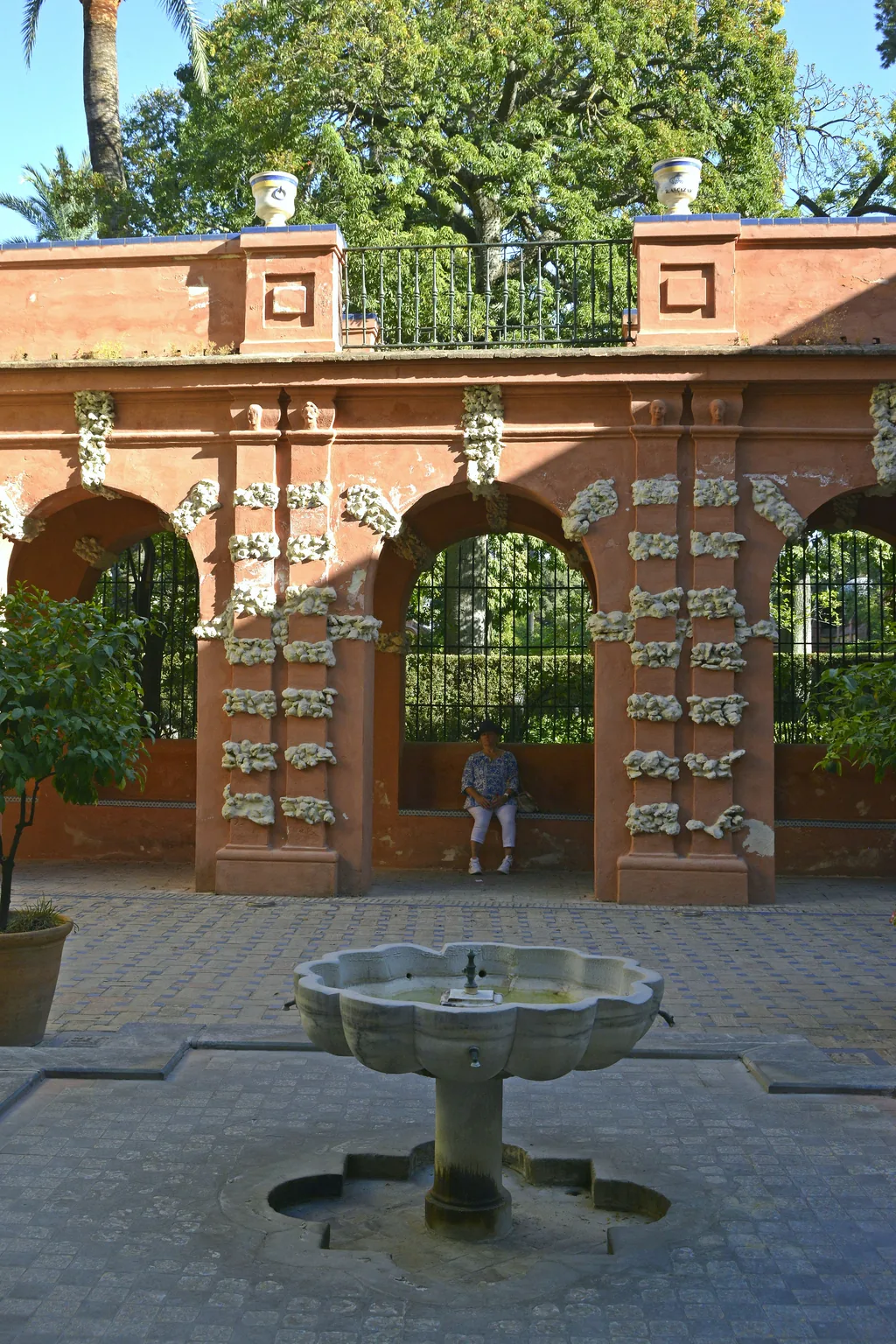
The whole layout owes its present look to the 17th century, when the Italian Vermondo Resta brought the Mannerist style to the Alcázar under Philip III and built the Galería del Grutesco along the old Almohad wall. That is the gallery you walk on top of, and the reason the gardens have a raised edge with views.
What to do, not just see
Walk the Grutesco gallery from end to end. It is the only place with a view over everything.
Sit by the Mercury Pool for five minutes; it is the coolest spot in the upper gardens.
Find the maze, and let children go first.
Look for peacocks on the paths; visitors see them often.
Go down into the baths below the Patio del Crucero before you leave, if you have not already.
Concerts in the gardens
On summer evenings the Alcázar hosts Noches en los Jardines del Real Alcázar. In 2026 the series ran to 63 concerts, 25 June to 19 September 2026, Tuesday to Saturday, with flamenco, European roots music, world music, classical, early music and jazz; tickets are listed at €7.00. Programme and tickets: the official concerts page. More evening plans in night visits.
Photographs from Wikimedia Commons, each under its own open licence, credited beneath it.
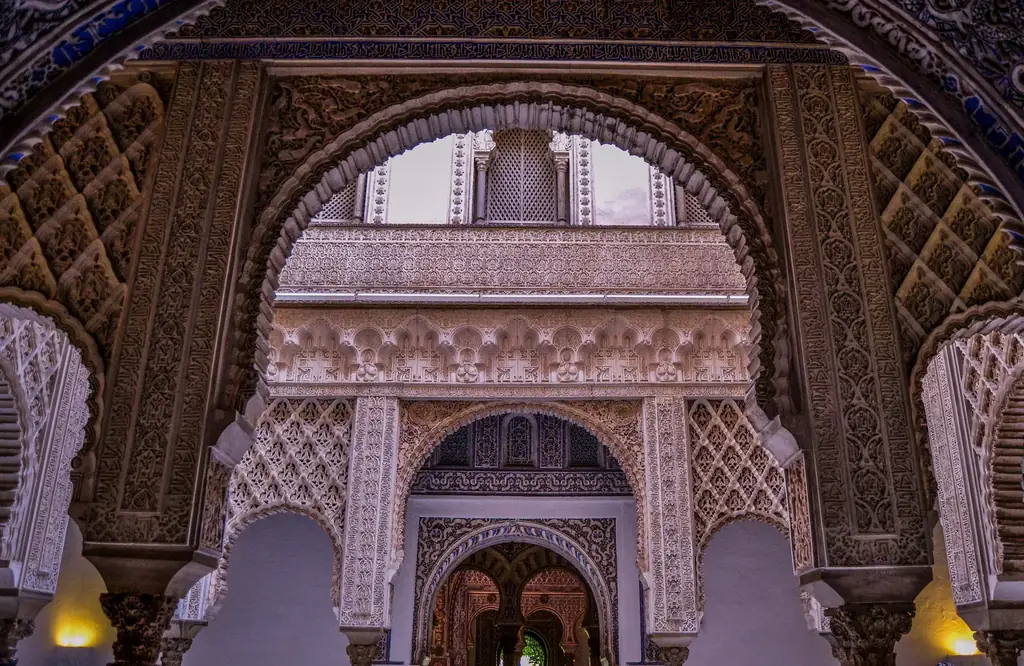
Photo: Jl FilpoC, CC BY-SA 4.0This arch is the way out of the palace into the gardens, and the point where most visitors stop for a photograph.
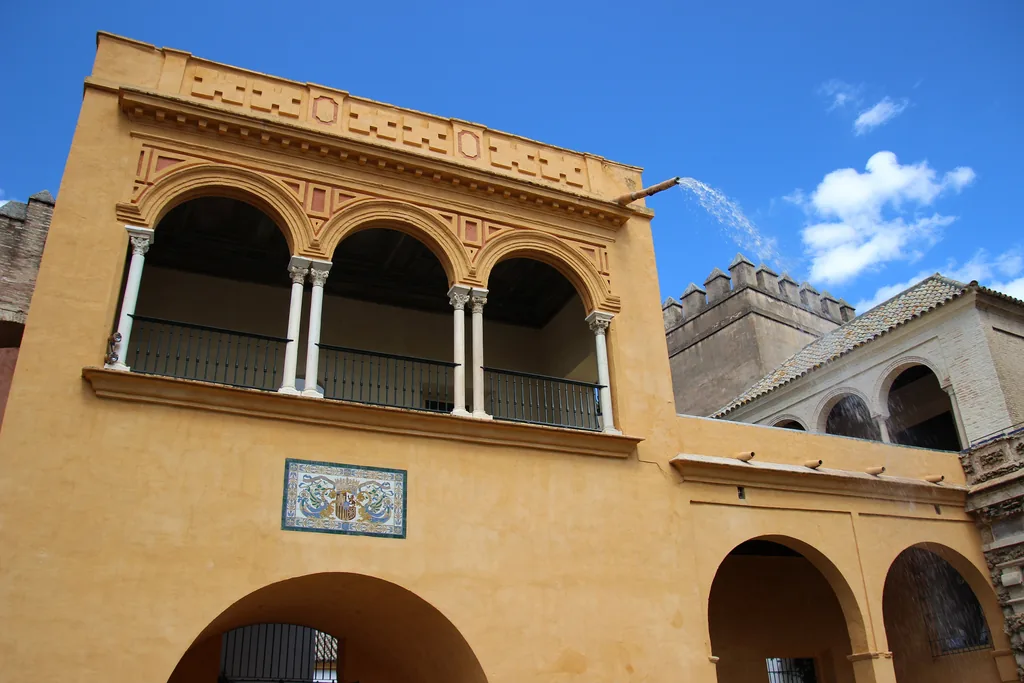
Photo: Miguel Hermoso Cuesta, CC BY-SA 4.0The loggia looks out over the gardens. It marks the boundary between the palace and everything planted beyond it.
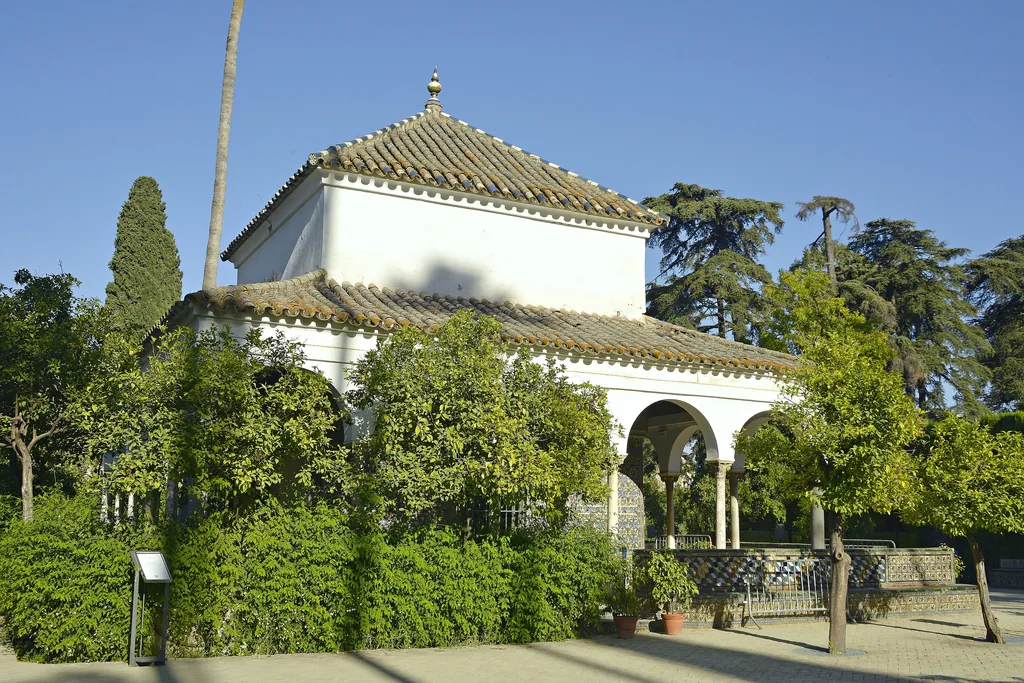
Photo: Alberto-g-rovi, CC BY 4.0The garden pavilion sits well beyond the palace rooms. Most of the crowd never walks this far.
Photo: Alberto-g-rovi, CC BY 4.0The far gardens are laid out as long straight walks. They are the coolest part of the site in summer.
Photo: Alberto-g-rovi, CC BY 4.0The gardens are a series of walled rooms rather than one open park, which is why they feel bigger than they are.
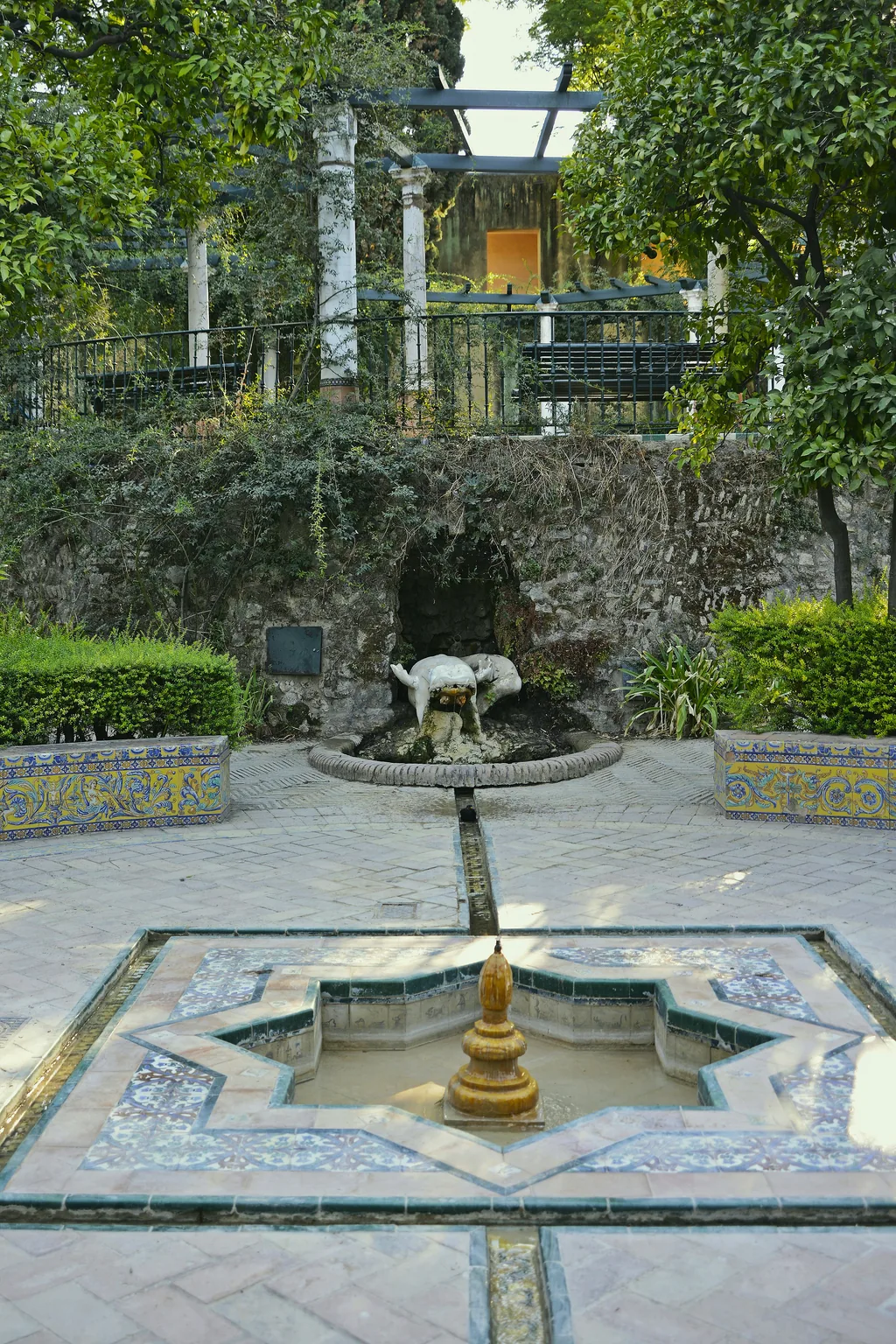
Photo: Alberto-g-rovi, CC BY 4.0Water runs through the whole garden by gravity, from the high pools down to the far beds.
Photo: Alberto-g-rovi, CC BY 4.0Allow a full hour for the gardens alone. Visitors who only do the palace rooms miss more than half the site.
Photo: Alberto-g-rovi, CC BY 4.0The raised walk runs along the old city wall. It gives the best overview of the gardens below.
Photo: Alberto-g-rovi, CC BY 4.0Tilework carries on outdoors as well as in. The garden fountains are lined with the same patterns as the halls.
Photo: Manu Est, CC BY-SA 3.0 esThe Grutesco is a garden wall built over the old city wall, with a walkway along the top.
Photo: Alberto-g-rovi, CC BY 4.0The pool sits where the palace meets the gardens, against the old Islamic wall that the 17th century turned into the Galería del Grutesco.
Photo: Miguel Hermoso Cuesta, CC BY-SA 4.0The gardens were reshaped in the 17th century by the Italian Vermondo Resta, who gave this wall its Mannerist face.
Prices and currency can differ between the two offers — check both before booking.
Prices, ratings and review counts from Viator, checked on September 30, 2026. They can change at any time.
GetYourGuide prices, ratings and review counts checked on October 7, 2026. They can change at any time.
Prices per adult, ratings and conditions come from Viator and GetYourGuide; each platform's own page shows today's price. Affiliate links: if you book through one, the site may earn a commission from that platform, at no extra cost to you.