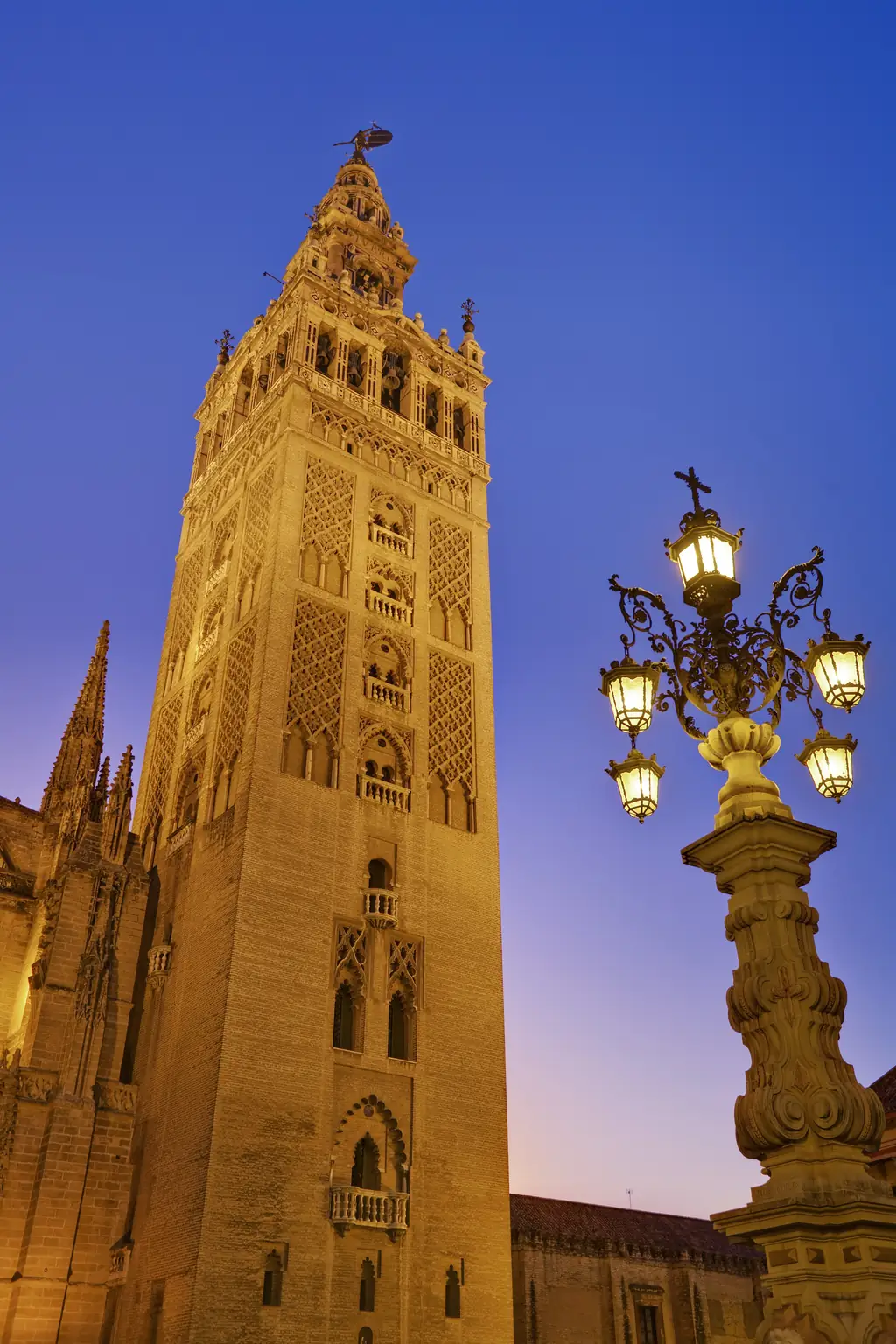
Santa Cruz is the maze of whitewashed lanes, small squares and orange trees that wraps around the eastern wall of the Real Alcázar. It is the Seville of postcards, and the natural place to walk after your visit to the palace: you step out of the Alcázar and you are in it. It costs nothing to explore and takes an hour or two at an easy pace.
A short history
After Ferdinand III of Castile conquered Seville in 1248, the city's Jewish population was concentrated in this quarter, the judería. It became one of the largest Jewish communities in the Iberian Peninsula, second only to Toledo's. Its history was cut short by violence at the end of the 14th century and then by the expulsion of the Jews from Spain in 1492, after which the neighbourhood declined.
Traces of that past survive in the buildings. The church of Santa María la Blanca was a synagogue converted into a church; the church of San Bartolomé also stands on the site of a former synagogue. The quarter takes its name from the parish church of Santa Cruz, which once stood on today's Plaza de Santa Cruz.
The picturesque Santa Cruz you see now owes much to later renewal, in the 18th century and again in the early 20th, when its lanes and squares were restored and landscaped.
What to look for
Plaza de Santa Cruz
A quiet square with trees and an ornate iron cross. The old parish church that stood here was demolished in the Napoleonic era. The painter Bartolomé Esteban Murillo, who lived in the quarter, was buried in that church, so his grave lies somewhere under the square. The parish moved to the present Iglesia de Santa Cruz on Calle Mateos Gago, which keeps a Last Supper by Murillo.
Hospital de los Venerables
A 17th-century building, originally a residence for elderly priests, now used for exhibitions of Sevillian art. Its patio is one of the loveliest in the quarter.
Jardines de Murillo
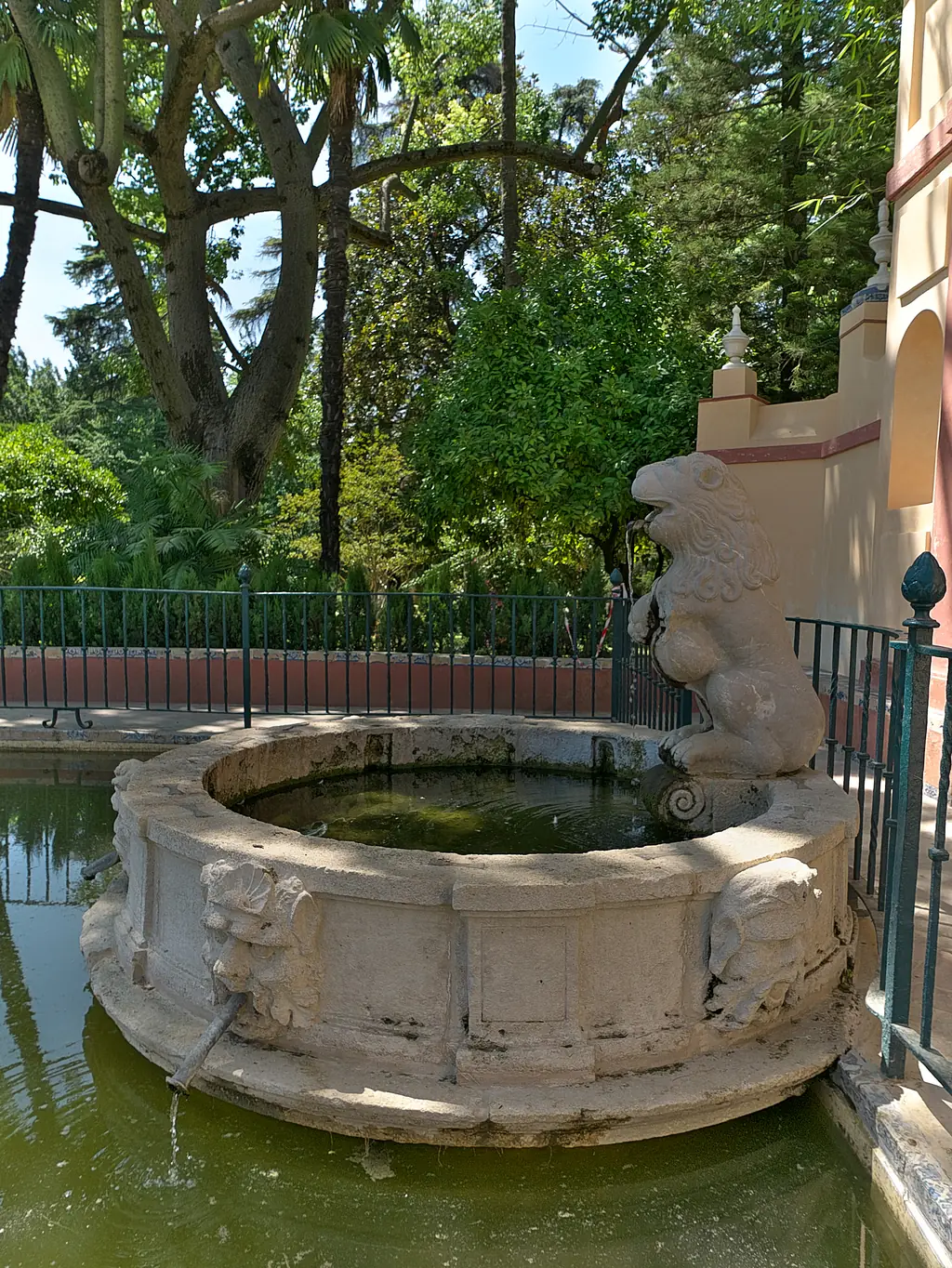
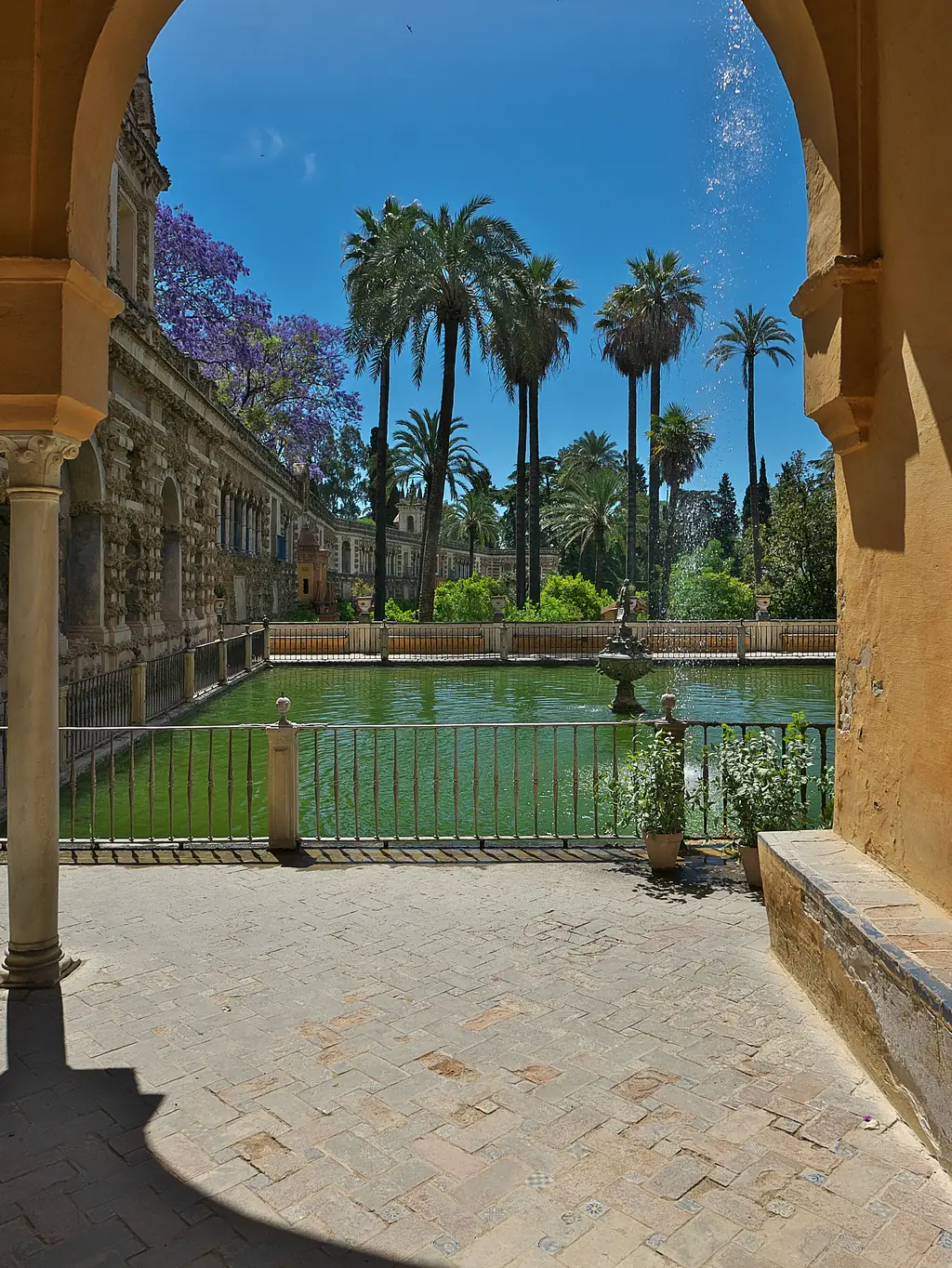
Gardens along the Alcázar's outer wall, shady and open to the public, named after the painter.
Callejón del Agua and the lanes
Narrow lanes run along the Alcázar wall, past patios glimpsed through iron gates. Get a little lost: the quarter is small, and every street eventually leads back to a square.
Calle Mateos Gago
The street running from the quarter towards the Cathedral, lined with bars and with the best street-level view of the Giralda.
A relaxed walking route (about 1 to 2 hours)
Leave the Alcázar and enter the quarter by the lanes along its wall.
Wander towards the Plaza de Santa Cruz.
Jardines de Murillo for shade.
Hospital de los Venerables (check opening times).
Santa María la Blanca, the former synagogue.
Calle Mateos Gago towards the Cathedral and the Giralda.
This fits naturally into Seville in one day, between the Alcázar in the morning and the Cathedral in the afternoon.
Tips
Go early or late. Midday brings both heat and groups; the lanes are loveliest in the morning or at dusk.
Eat off the main streets. The squares nearest the Alcázar and Cathedral are the busiest and most expensive.
Watch your step and your bag in the narrow, crowded lanes.
Combine it with the Alcázar. Book the palace for 09:30 on the official shop, then walk out into Santa Cruz as it warms up.
Guided walks
Some tours include Santa Cruz along with the monuments: the Viator best seller, the Alcázar and Cathedral tour, is a good base, with the quarter walkable on your own afterwards.
Frequently asked questions
Where is Santa Cruz in Seville?
Around the eastern side of the Real Alcázar, between the palace and the Cathedral area.
Was Santa Cruz the Jewish quarter?
Yes. It was the judería of Seville after the Castilian conquest in 1248.
Is Santa Cruz free to visit?
The streets and squares are public; some buildings, such as the Hospital de los Venerables, charge admission.
How long do I need?
One to two hours at an easy pace.
Is Murillo buried in Santa Cruz?
He was buried in the old parish church on today's Plaza de Santa Cruz, demolished in the Napoleonic era.
What is the best time to walk it?
Early morning or early evening, outside the midday heat.
Prices per adult, ratings and conditions come from Viator and are refreshed when the site is updated; Viator's page shows today's price. Affiliate links.